Leon Schmitz · 23 September 2026
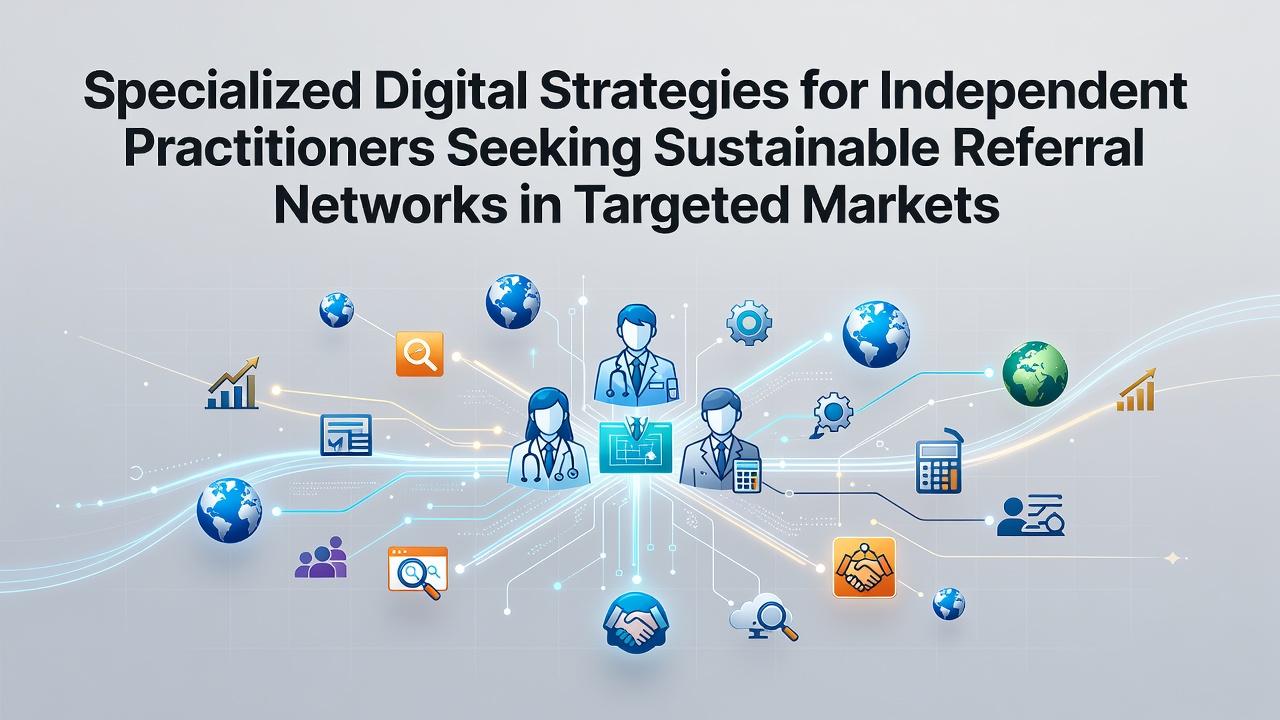
Specialized Digital Strategies for Independent Practitioners Seeking Sustainable Referral Networks in Targeted Markets
Independent practitioners across healthcare and professional services have turned to digital tools to establish referral networks that endure beyond single transactions, and these approaches focus on targeted markets where specific client needs align with specialized expertise. Data from the U.S. Small Business Administration shows that small practices using structured online outreach see measurable increases in consistent referrals when they combine content creation with relationship tracking systems. Practitioners identify their ideal client profiles through market analysis, then deploy platforms that connect them directly to referring partners such as primary care offices, corporate wellness programs, and community organizations.
Mapping Targeted Markets Through Data Analysis
Practitioners begin by examining demographic and behavioral data to define precise market segments, and this process involves reviewing local health statistics alongside online search trends to locate areas with unmet demand. Those who study referral patterns often discover that geo-specific keywords and community forums reveal clusters of potential referrers who already interact with similar client groups. Research indicates that practices which segment their outreach by age, condition type, and location achieve higher conversion rates from initial contact to ongoing collaboration, while broader campaigns tend to dilute resources without building depth.
Content Systems That Attract Qualified Referrers
Creating educational resources such as case summaries, webinar recordings, and short-form videos allows practitioners to position themselves as reliable sources within niche communities, and these materials circulate through professional networks when formatted for easy sharing. Observers note that email sequences sent to curated lists of potential referrers maintain engagement when they include updates on treatment outcomes and regulatory changes rather than direct solicitations. Integration with customer relationship management platforms ensures follow-up occurs at regular intervals, which sustains momentum even during slower periods of the year.
Platform Selection and Network Building Tactics
LinkedIn groups, specialized health forums, and regional directories serve as primary channels for connection, while practitioners monitor engagement metrics to refine their participation. Automated alerts notify users when new referral opportunities appear in targeted groups, and this setup reduces manual monitoring time. Figures reveal that practices maintaining active profiles on three to five relevant platforms generate more inbound requests than those spreading efforts across every available site. Collaboration tools that allow secure document exchange further strengthen ties once initial introductions occur.

Measurement and Adjustment Cycles
Key performance indicators include referral volume, conversion time, and retention rates, and practitioners review these numbers monthly to identify which tactics deliver the strongest results. Those who adjust content calendars based on seasonal demand shifts maintain steadier inflows, whereas rigid schedules often miss peak periods. Projections for September 2026 suggest increased emphasis on AI-assisted matching tools that pair practitioners with referrers based on compatibility scores derived from past outcomes. Australian Government health data supports the value of tracking referral sources over multiple years to separate temporary spikes from sustainable patterns.
Compliance and Long-Term Viability
Adherence to privacy regulations remains central when exchanging client information digitally, and systems that log consent and limit data sharing to necessary details protect all parties involved. Independent practitioners who embed compliance checks into their workflow avoid disruptions that could fracture emerging networks. Regular audits of digital assets ensure information stays current, which in turn supports trust among referring partners who rely on accurate details when making introductions.
Conclusion
Sustainable referral networks emerge when digital strategies align with the specific characteristics of targeted markets and incorporate consistent measurement. Practitioners who combine data-driven market mapping, targeted content distribution, and secure collaboration tools position themselves for ongoing partnerships. As platforms evolve and new reporting requirements appear by September 2026, the practices that adapt their systems while preserving compliance will continue to receive steady referrals from aligned sources.